Assembly / technical article
What Tool-Free Furniture Assembly Means in Production
Understand the difference between factory preparation and tool-free final furniture assembly for concealed panel connection systems.
Quick answer
The practical decision
Tool-free describes the final furniture assembly stage. The factory still machines the panels, installs the connector components and checks their orientation. The prepared panels can then be aligned and engaged during final assembly without adding a separate fastening operation at the joint.
Key takeaways
- Tool-free refers to final assembly, not panel production.
- CNC drilling or grooving remains part of the manufacturing process.
- Connector components are pre-installed before the parts reach final assembly.
- A pilot build should validate both factory preparation and final engagement.
Separate factory preparation from final assembly
The term tool-free can be misunderstood when the production stage is not stated. For concealed furniture connectors, the relevant process has two distinct parts: prepared component production and final furniture assembly.
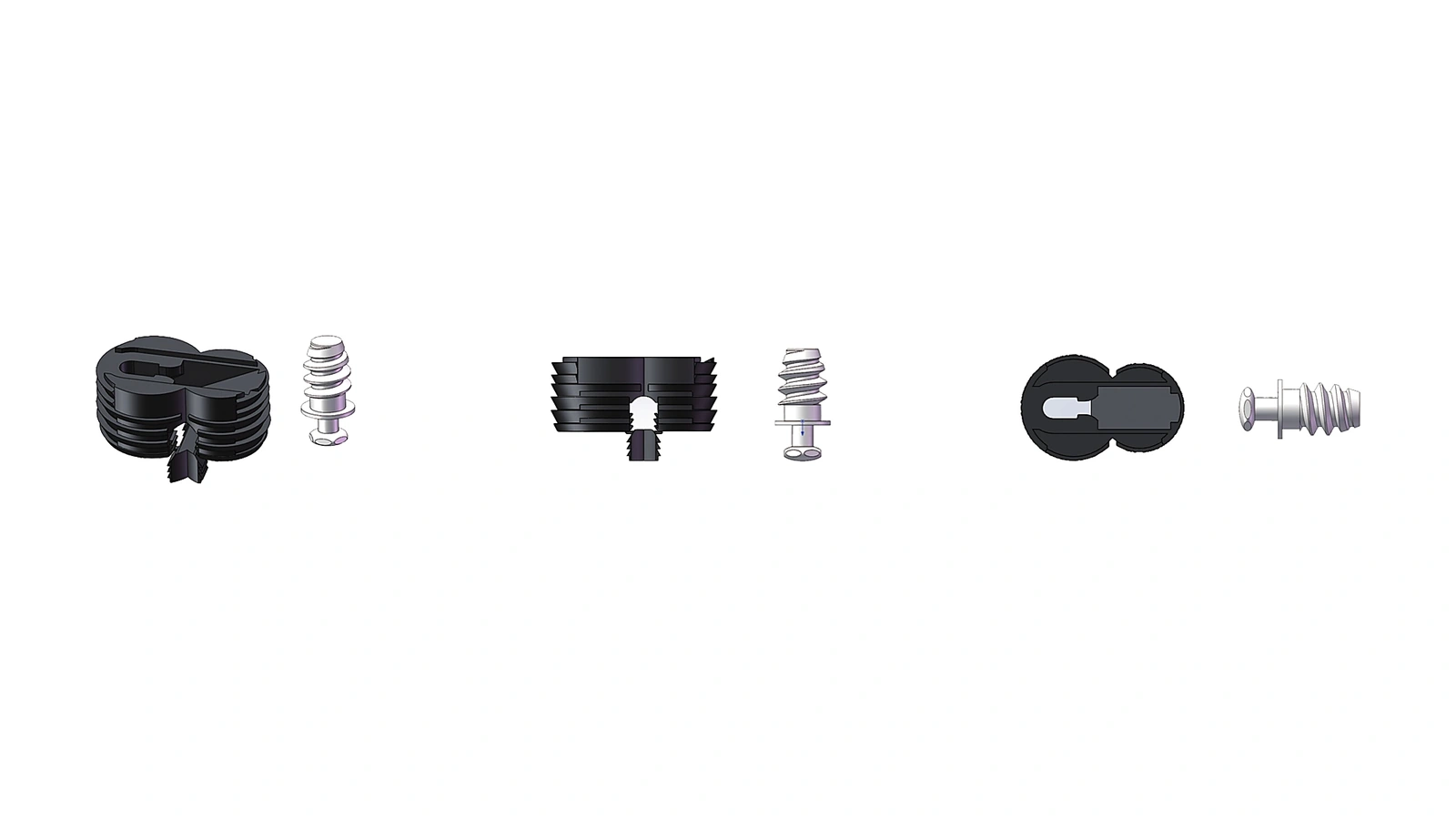
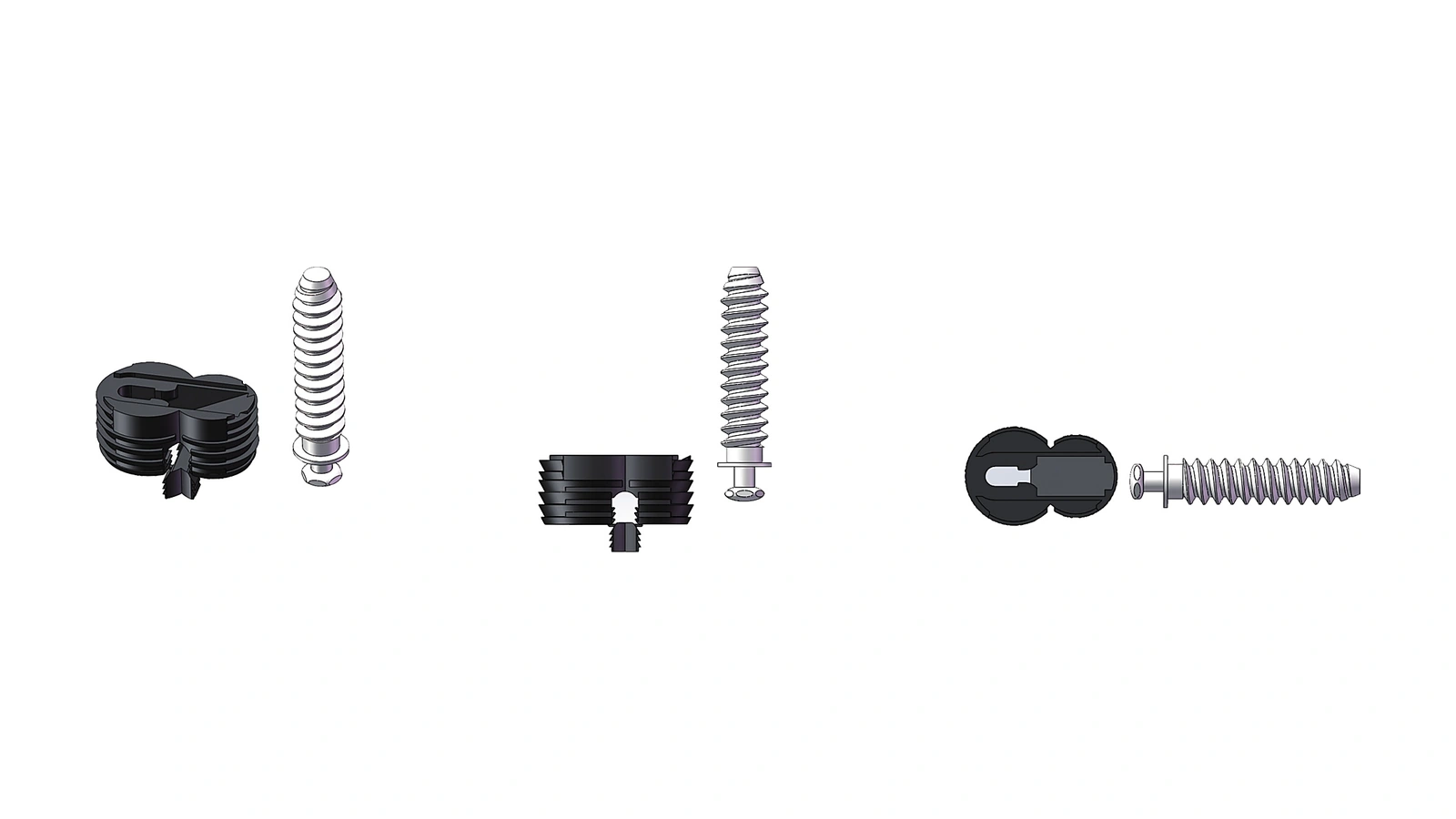
In production, the panels are machined for the selected model and the connector components are installed in the prepared locations. During final assembly, the prepared panels are aligned and the joint is engaged. The absence of an extra tool at that last step does not mean the earlier machining work has disappeared.
The four-stage sequence
Keeping the stages explicit helps engineering, production, purchasing and assembly teams discuss the same process. It also prevents packaging or site-assembly decisions from being made before connector orientation has been checked.
- 01Machine the panels for the selected drilling or grooving model.
- 02Pre-install the connector components in the factory.
- 03Align the prepared panels in the intended assembly direction.
- 04Engage the joint during final furniture assembly.
Why the distinction matters
For engineering, the distinction defines which dimensions and tolerances belong to the machining operation. For production, it identifies the inspection point before the components leave the factory. For purchasing and assembly planning, it clarifies what arrives pre-installed and what the final operator must do.
A useful evaluation therefore times and inspects both stages. A joint that engages easily in isolation may behave differently when panel size, finish, packaging and the full cabinet assembly sequence are introduced.
Validate the complete prepared-part workflow
The sample test should begin with the same material and machining route intended for production. Check the machined feature, pre-installed component orientation, panel alignment and completed joint.
Documenting these points creates a repeatable handoff from engineering to production and from production to final assembly without overstating what tool-free means.
- Confirm model-specific machining information before cutting parts.
- Inspect component seating and orientation after pre-installation.
- Test the final engagement in the intended furniture sequence.
- Record fit and appearance before production approval.
Database-linked information
Referenced models
These ranges and applications are read from the same product database used by the catalog and selector.
Buyer and engineer questions
Frequently asked questions
Does tool-free final assembly eliminate CNC machining?
No. Drilling or grooving is still required in production for the selected connector model.
When are the connector components installed?
They are pre-installed in the machined panels before the prepared parts reach final furniture assembly.
What should a factory validate?
Validate the machining, component orientation, panel alignment, final engagement and completed joint in the intended material and assembly sequence.
Continue the decision path