Selection7 min read
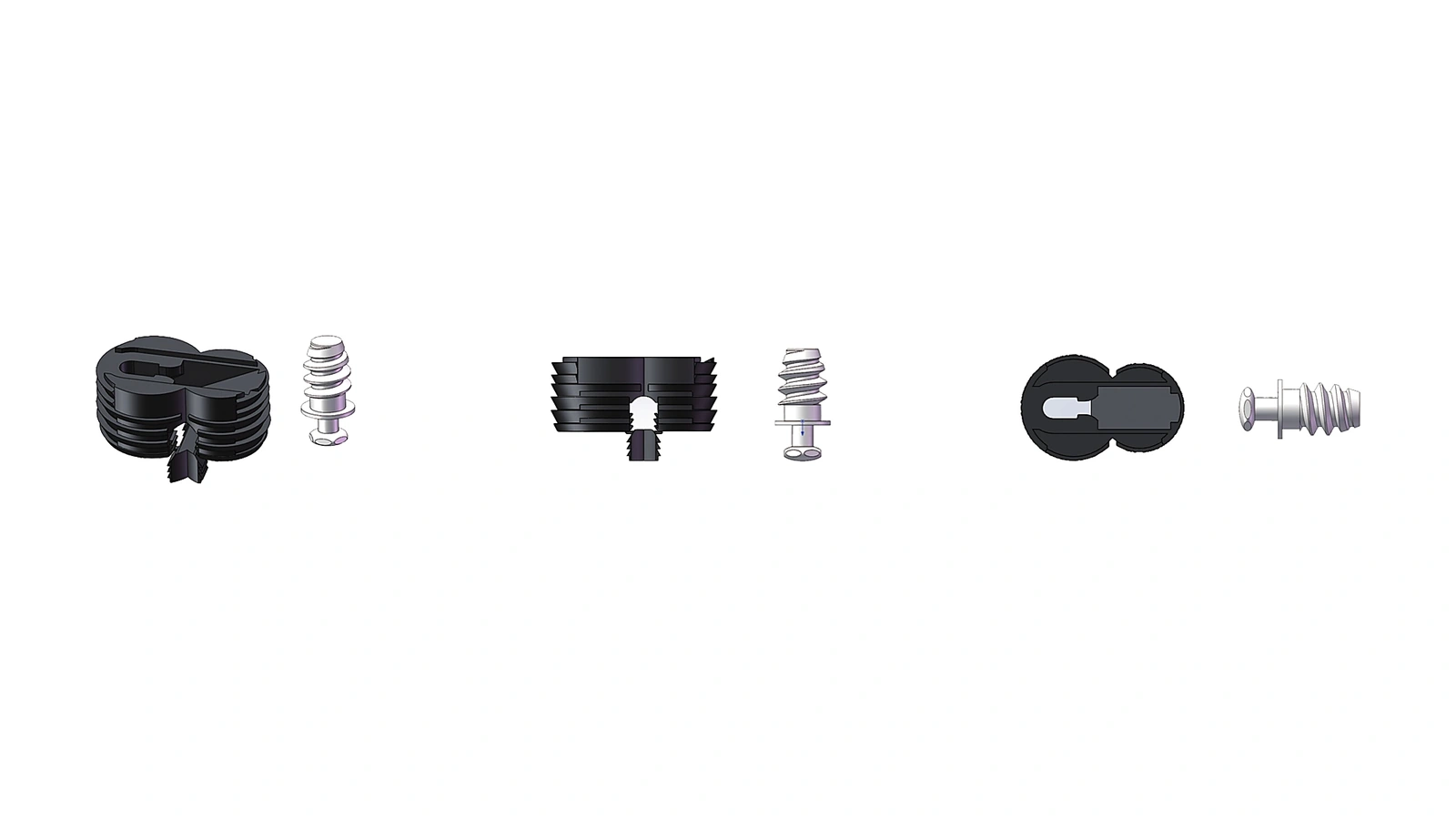
How to Choose a Concealed Furniture Connector
A practical selection path for matching a concealed connector to the joint, machining process, panel thickness and final assembly requirement.
Read technical articleTechnical insights / engineering guidance
Practical guidance for furniture engineers, production teams, technical buyers and distributors—from joint definition to sample validation.
Start here
A practical selection path for matching a concealed connector to the joint, machining process, panel thickness and final assembly requirement.
Read technical articleLatest articles
Each article separates verified product information from the application checks that still need a sample, joint drawing or engineering discussion.
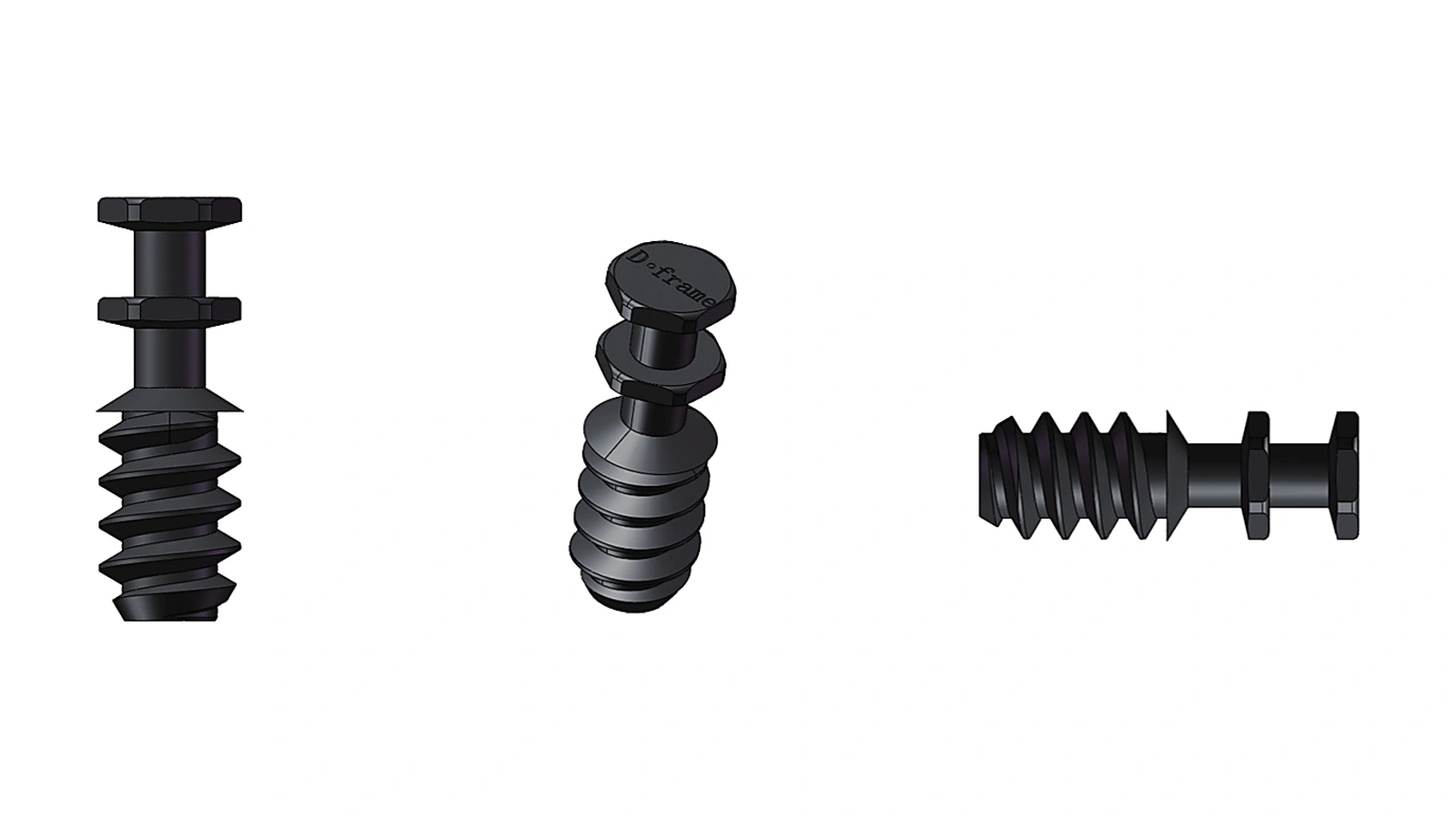
Compare drilling-type and grooving-type concealed connector routes using production equipment, joint geometry, panel range and assembly sequence.
Read technical articleCheck the miter geometry, application-specific panel range, machining route and final assembly access before preparing a 45-degree concealed joint.
Read technical article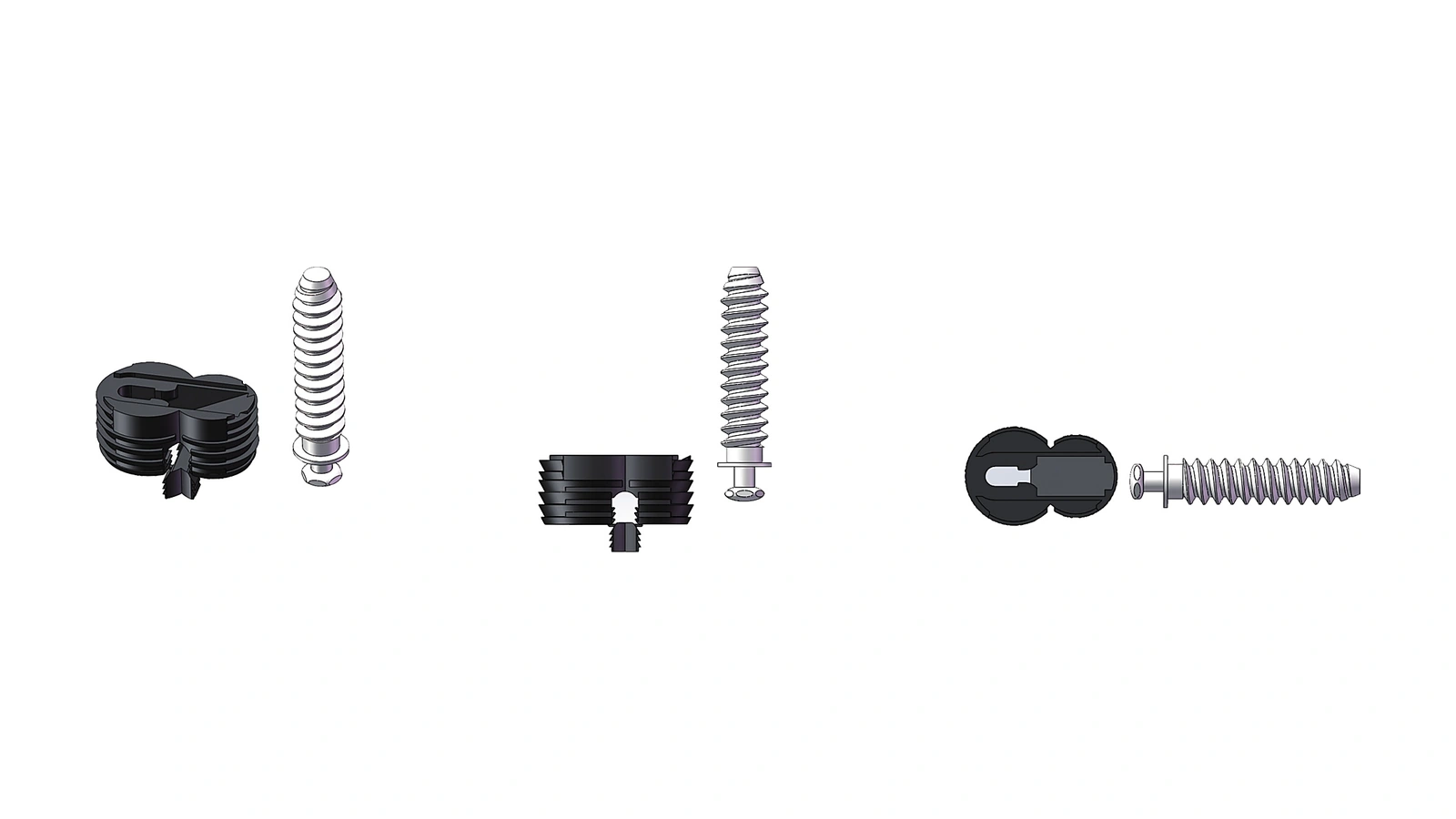
Understand the difference between factory preparation and tool-free final furniture assembly for concealed panel connection systems.
Read technical articleNeed a model decision?
Use the same application, machining and panel-thickness criteria discussed in the articles.